
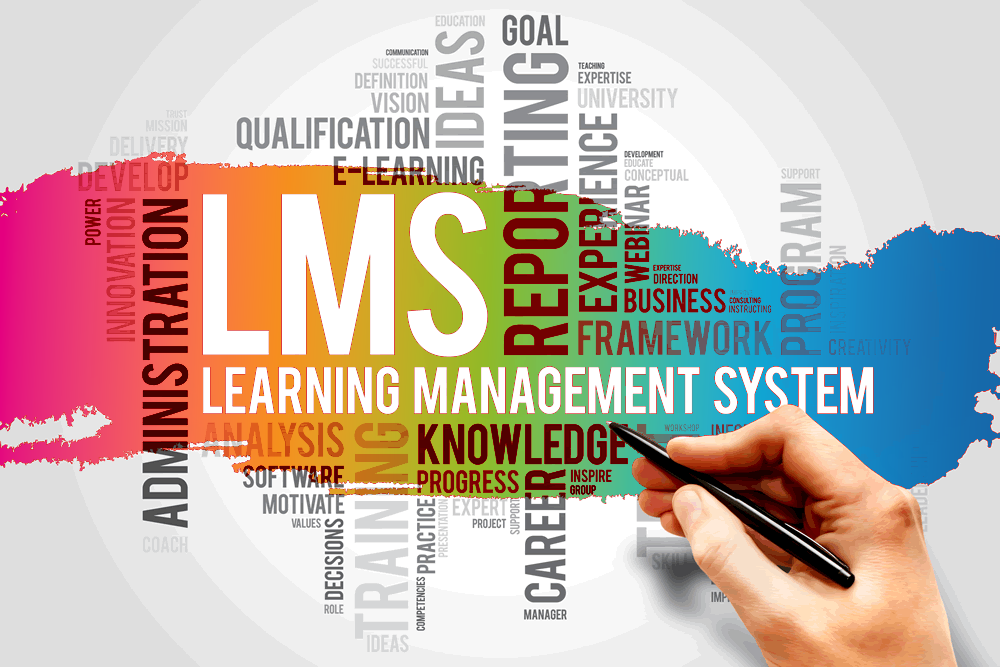
In 2026, eLearning Management Systems (LMS) are transforming the way schools, businesses, startups, and training organizations deliver education and manage learning workflows. Modern LMS platforms are no longer just online course libraries — they now include AI-powered automation, analytics, personalized learning paths, collaboration tools, and productivity-focused features.
As remote learning and digital training continue growing worldwide, businesses and educational institutions are investing heavily in smarter learning platforms that improve engagement, simplify administration, and save valuable time.
Why eLearning Management Systems Matter
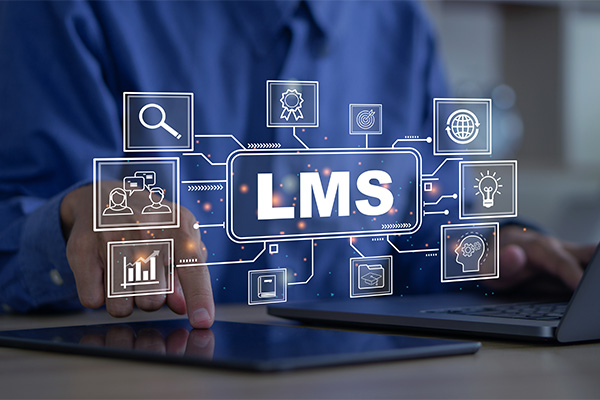
eLearning Management Systems are important because they simplify the way organizations deliver education, training, and skill development. Traditional learning methods often involve manual tracking, paperwork, repetitive communication, and limited accessibility, which can reduce efficiency and productivity.
Modern LMS platforms help businesses, schools, and training organizations manage courses, track learner progress, organize content, and improve collaboration from one centralized system. They also support remote learning, making education and training accessible anytime and from anywhere.
With automation, analytics, AI-powered learning features, and cloud accessibility, eLearning Management Systems help organizations save time, improve engagement, and create more efficient learning experiences in 2026.
Benefits of Modern LMS Platforms
- Automation Features – Reduce manual administrative work and simplify training management.
- Remote Accessibility – Allow learners and teams to access courses from anywhere at any time.
- Progress Tracking – Help organizations monitor learner performance, completion rates, and training progress.
- AI-Powered Learning – Personalize learning experiences and recommend relevant content automatically.
- Better Collaboration – Improve communication and interaction between instructors, teams, and learners.
Top LMS Platform Comparison Table
| LMS Platform | Best For | Key Features |
|---|---|---|
| 360Learning | Collaborative learning | AI authoring and peer learning |
| TalentLMS | Small businesses and teams | Easy setup and multilingual support |
| Docebo | Enterprise training | AI automation and analytics |
| Moodle | Open-source education | Flexible customization |
| Absorb LMS | Corporate training | Compliance and reporting tools |
| LearnUpon | Employee and customer training | User-friendly learning management |
The LMS market is rapidly expanding, with AI-driven personalization, cloud deployment, and collaborative learning becoming major trends in 2026.
How LMS Platforms Improve Productivity
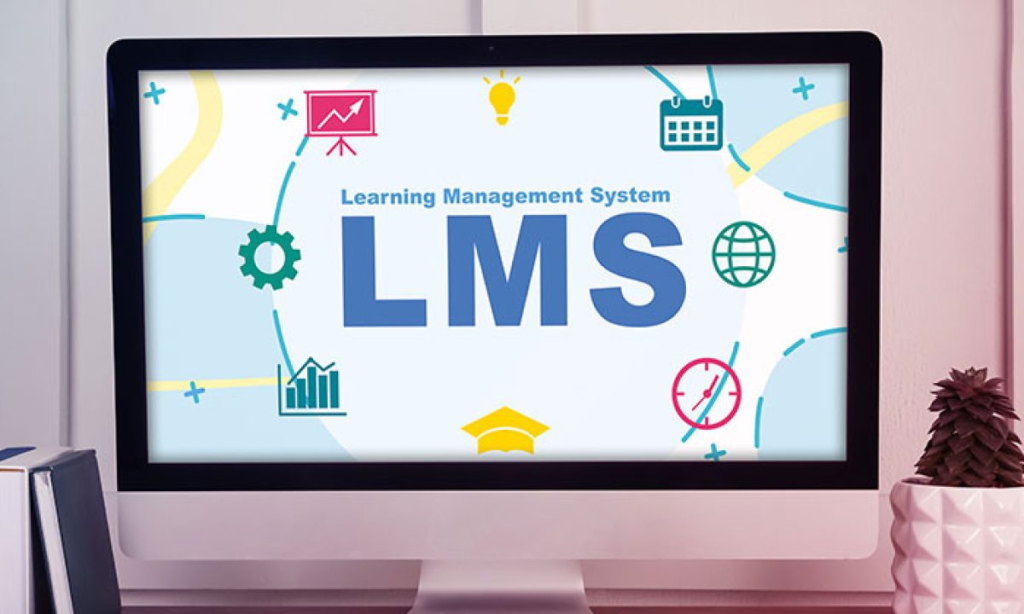
Modern LMS systems save time by automating repetitive learning and administrative tasks. Businesses no longer need to manually assign training, track completion, or manage certifications separately.
Modern LMS platforms improve productivity by automating many time-consuming learning and administrative tasks. Instead of managing training manually, organizations can automatically assign courses, track learner progress, generate reports, and schedule reminders within one system.
These platforms also help teams and students access learning materials anytime from any device, making remote learning and collaboration much easier. AI-powered LMS systems further improve productivity by personalizing learning experiences, recommending content, and simplifying course management.
Why AI-Powered LMS Platforms Are Growing Rapidly
Artificial Intelligence is changing the future of digital learning. AI-powered LMS platforms can now automate course creation, analyze learner behavior, recommend personalized learning paths, and improve workflow efficiency.
AI learning systems help organizations:
- Save training time
- Improve engagement
- Reduce administrative effort
- Personalize employee development
- Track skills and performance more effectively
Industry experts note that modern LMS platforms are evolving beyond simple course management into intelligent workforce development systems.
Challenges and Limitations
Although LMS platforms offer many benefits, some advanced systems can be difficult for beginners to understand. Teams may require training before using all features effectively.
Premium LMS platforms can also become expensive because of subscription fees, setup costs, and maintenance expenses. This may be challenging for small businesses or startups.
Some organizations face integration problems when connecting LMS platforms with existing software and workflows. Compatibility issues can slow down productivity.
Many LMS platforms include too many features and complex dashboards, which may confuse new users and make workflows harder initially.
Cons of LMS Platforms
| Limitations | Impact |
|---|---|
| Setup Complexity | Requires training and onboarding |
| Subscription Costs | Premium systems can be expensive |
| Too Many Features | May overwhelm smaller teams |
| Integration Challenges | Some platforms may not connect smoothly |
| Internet Dependency | Cloud systems require stable connectivity |
How to Choose the Right LMS Platform
Choosing the right LMS depends on organization size, training goals, workflow needs, and budget. Instead of selecting software only because it is trending, businesses and schools should focus on platforms that genuinely improve productivity and simplify learning management.
Before investing in an LMS, organizations should:
- Compare features and pricing
- Test free demos or trials
- Check integration compatibility
- Analyze reporting and analytics tools
- Verify customer support quality
- Evaluate AI and automation capabilities
Experts increasingly recommend focusing on workflow simplicity, reporting efficiency, and long-term scalability when selecting an LMS.
Conclusion
Modern eLearning Management Systems are helping businesses, schools, and training organizations improve productivity, automate workflows, and deliver smarter learning experiences in 2026. From AI-powered course creation and analytics to remote collaboration and automated progress tracking, LMS platforms are transforming digital education completely.
However, the best LMS is not always the most expensive or feature-heavy platform. Organizations should focus on choosing systems that simplify learning management, improve engagement, and provide long-term value based on actual workflow needs.
With the right LMS platform, organizations can save time, improve training efficiency, increase learner engagement, and support continuous digital learning successfully.