
Cybersecurity has become more important than ever in 2026 as businesses and individuals increasingly depend on digital platforms, cloud systems, and online communication. Cyber threats such as phishing attacks, malware, ransomware, and data breaches continue growing rapidly, making cybersecurity software essential for protecting sensitive information and digital workflows.
Modern cybersecurity tools help users secure devices, monitor threats, protect online privacy, and reduce security risks more effectively. However, simply installing security software is not enough. Businesses and individuals must also understand how to use cybersecurity tools properly to achieve stronger protection.
Why Cybersecurity Software Matters
As remote work, cloud storage, and digital transactions continue growing, cybercriminals are finding more opportunities to target businesses and users online. Cybersecurity software helps reduce these risks by protecting systems, networks, and personal data from attacks.
Security software is important because it:
- Protects sensitive information
- Prevents malware and phishing attacks
- Improves online privacy
- Monitors suspicious activity
- Reduces security vulnerabilities
Keep Security Software Updated
One of the most important cybersecurity tips is keeping software updated regularly. Security companies frequently release updates to fix vulnerabilities and improve protection against new cyber threats.
Outdated software can create security gaps that hackers may exploit. Updating antivirus systems, firewalls, browsers, and operating systems helps improve overall digital security and reduces risks.
Automatic updates are especially useful because they ensure protection systems remain current without requiring manual monitoring.
Use Strong Password Management Tools
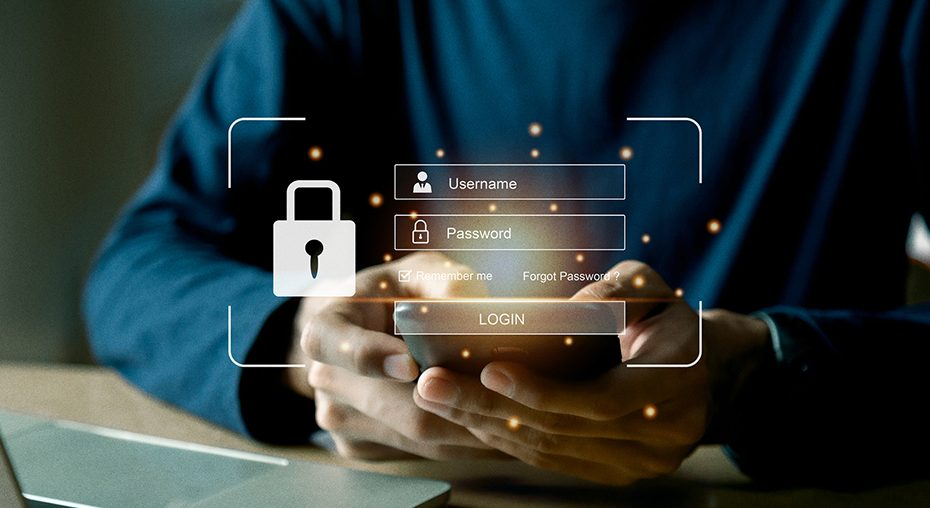
Weak passwords remain one of the biggest cybersecurity risks. Password management tools help users create, store, and organize strong passwords more securely.
Good password practices include:
- Using unique passwords for every account
- Avoiding simple or predictable passwords
- Enabling two-factor authentication
- Storing passwords securely
Password managers simplify security while reducing the risk of unauthorized access and data breaches.
Enable Multi-Factor Authentication
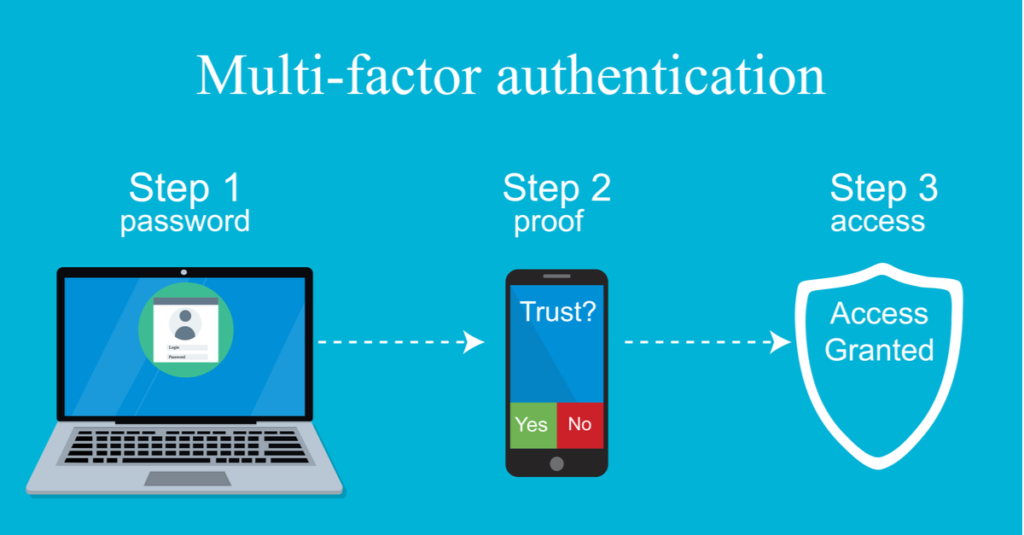
Multi-factor authentication (MFA) adds an extra layer of security by requiring additional verification beyond passwords. Even if login credentials become compromised, MFA helps prevent unauthorized access.
This simple security step significantly improves online protection.
Use Antivirus and Threat Detection Software
Antivirus and threat detection systems help monitor devices for suspicious activity, malware, ransomware, and harmful files. Modern cybersecurity software uses AI-powered threat analysis to identify risks faster and improve system protection.
Antivirus and threat detection software are essential for protecting devices and digital systems from malware, ransomware, phishing attacks, and suspicious activity. Modern cybersecurity tools use advanced technologies, including AI-powered threat analysis, to identify and block harmful files before they can damage systems or steal sensitive information.
Regular system scans, real-time monitoring, and automatic threat detection help businesses and individuals maintain stronger digital security. Keeping antivirus software active and updated significantly reduces cybersecurity risks and improves overall online protection.
Businesses should regularly scan devices and maintain active protection systems to reduce vulnerabilities.
Protect Cloud Storage and Remote Work Systems
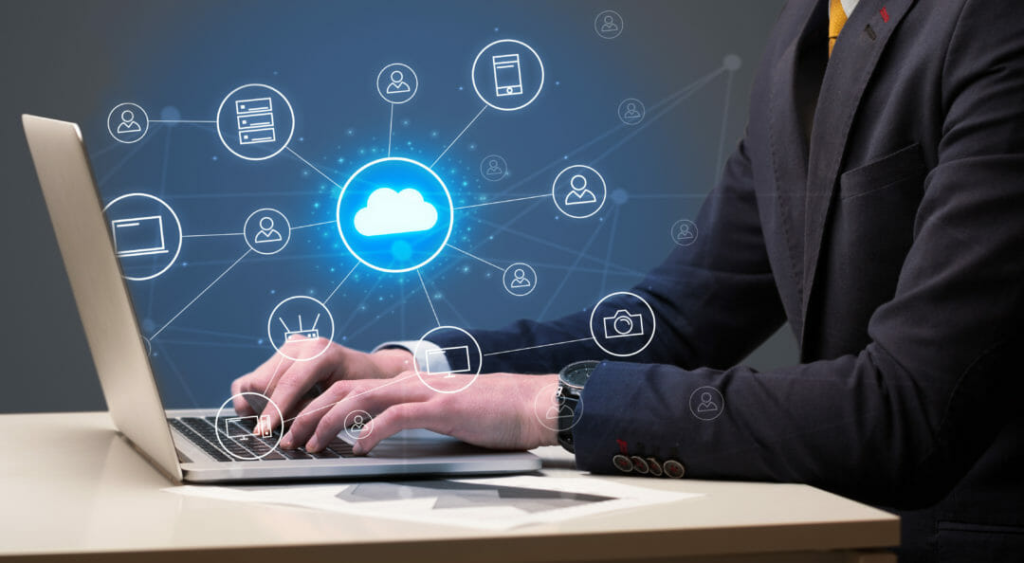
As cloud-based workflows and remote work environments continue growing, businesses must secure online storage systems and communication platforms properly.
As remote work and cloud-based workflows continue growing, protecting cloud storage systems and online communication platforms has become extremely important. Businesses often store sensitive files, customer data, and project information online, making secure access and proper protection essential.
Using encrypted storage, strong login security, user access controls, and secure communication platforms helps reduce cybersecurity risks. Monitoring remote login activity and limiting unauthorized access can also improve overall data protection and support safer remote collaboration.
Strong cloud security reduces risks associated with remote collaboration and digital data sharing.
Avoid Suspicious Links and Phishing Scams

Phishing attacks remain one of the most common cybersecurity threats in 2026. Cybercriminals often use fake emails, websites, or messages to steal passwords, financial information, or sensitive business data.
Users should:
- Avoid clicking unknown links
- Verify suspicious emails carefully
- Check website authenticity
- Avoid downloading unknown attachments
Benefits of Cybersecurity Software
- Protects sensitive information
- Reduces malware and ransomware risks
- Improves online privacy
- Monitors suspicious activity
- Supports safer remote work environments
Modern cybersecurity systems help businesses and individuals maintain safer digital workflows.
Challenges and Limitations
Although cybersecurity software improves protection, it also has limitations. Advanced security tools may involve subscription costs, complex settings, and learning curves for beginners.
Some users may also depend too heavily on software while ignoring safe online behavior. Even strong cybersecurity systems cannot fully protect users who repeatedly interact with suspicious websites or phishing scams.
Additionally, cyber threats continue evolving rapidly, which means businesses must continuously update security strategies and tools.
How AI Is Changing Cybersecurity
Artificial Intelligence is transforming cybersecurity systems by improving threat detection, automation, and risk analysis. AI-powered security tools can identify suspicious behavior, analyze network activity, and respond to threats much faster than traditional systems.
AI helps cybersecurity platforms:
- Detect threats in real time
- Automate security monitoring
- Improve fraud prevention
- Analyze unusual activity patterns
- Reduce manual security work
Because cyber threats are becoming more advanced, AI-driven cybersecurity tools are becoming increasingly important in 2026.
Conclusion
Cybersecurity software plays a major role in protecting businesses, remote teams, and individuals from growing digital threats in 2026. From antivirus systems and password managers to cloud security and AI-powered threat detection, modern security tools help users maintain safer online environments.
However, cybersecurity is not only about software. Safe online behavior, regular updates, strong passwords, and cybersecurity awareness are equally important for long-term protection.
By combining smart cybersecurity tools with responsible digital practices, businesses and individuals can reduce risks, protect sensitive information, and maintain safer digital workflows in today’s rapidly evolving online world.