
True productivity is rarely about adding more grueling hours to your shift. Instead, it is about extracting the absolute maximum value out of the specific hours you already log. We live in an era overflowing with advanced digital tools, cloud platforms, and automated software, yet the average professional only utilizes a tiny fraction of the capabilities built into their everyday apps. Hidden software shortcuts, incredibly powerful automation triggers, and built-in focus settings regularly go completely unnoticed by busy workers.
If you are determined to scale up your daily output without sacrificing your personal life or extending your work hours into the night, you must learn to navigate your digital environment like an absolute expert. Making minor, highly strategic tweaks to your daily digital workflows can instantly rescue hours of wasted time, eliminate administrative friction, and dramatically reduce your workday stress. Let’s dive deep into the ultimate human-centered playbook for mastering digital efficiency this year.
1. Automate the Tedious, Mindless Work

Take a moment to evaluate the small, repetitive actions you perform manually every single day. Sending the exact same follow-up emails, sorting downloadable files, shifting rows of data across spreadsheets, and coordinating calendar invitations are massive time-sinks. Modern software suites are packed with intuitive automation triggers designed to execute these boring, robotic sequences completely on your behalf.
Instead of burning your mental energy repeating identical mouse clicks, you can easily build automated workflows that handle these tasks instantly, entirely in the background. Automating your business processes doesn’t just save precious minutes; it actively prevents human data entry errors from breaking your system.
💡 The Golden Automation Rule: Locate any task that takes less than five minutes to complete but occurs multiple times throughout your week. These highly repetitive micro-tasks are the absolute perfect candidates for software automation workflows.
2. Commit to Learning System-Wide Keyboard Shortcuts
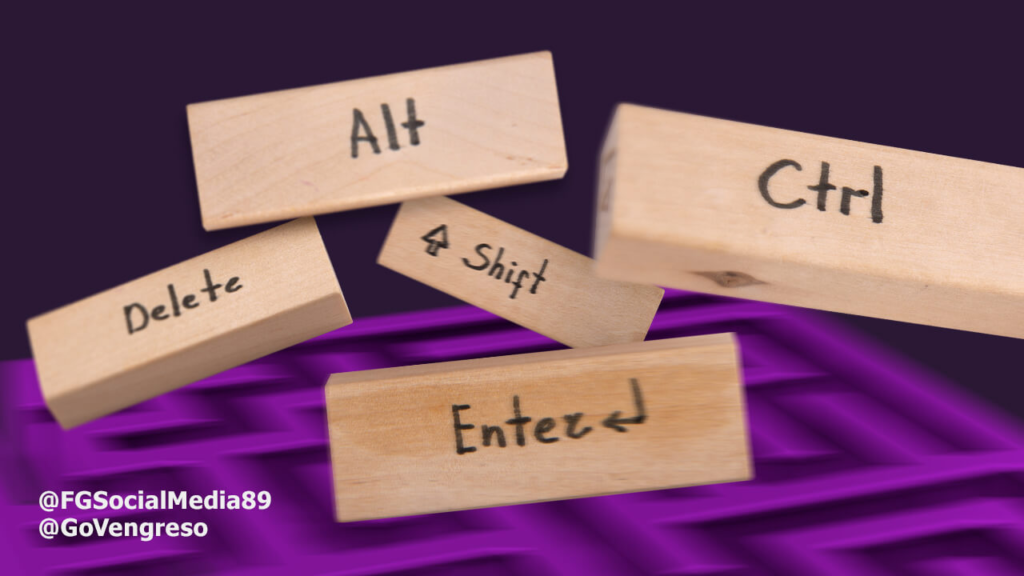
An incredible amount of daily professional time is quietly wasted shifting your hand away from the keyboard to hunt for items with a mouse. Relying entirely on visual menus, dropdowns, and mouse clicks slows down your physical momentum and mental focus. Memorizing and executing universally supported keyboard shortcuts can instantly accelerate the physical speed of your digital output.
While almost everyone knows the absolute basics like Ctrl + C for copying and Ctrl + V for pasting, you need to expand your digital vocabulary significantly. Frequently using shortcuts like Ctrl + Z to immediately undo mistakes, Ctrl + F to instantly scan massive documents, and Ctrl + S to securely save your progress should become second nature. Forcing yourself to use your keyboard to navigate your operating system keeps your hands in a highly productive position and eliminates countless hours of dead cursor time over the course of a fiscal year.
3. Aggressively Declutter Your Digital Workspace
We easily recognize how a messy physical desk stalls our productivity, but we routinely ignore the mental weight of a chaotic digital desktop. Crowded download folders, completely disorganized cloud storage drives, and hundreds of random icons scattered across a screen make finding critical project files an absolute nightmare. That constant, frantic searching acts as a major drag on your cognitive focus and peace of mind.
Set aside just ten minutes at the end of every single week to clean your digital office. Dedicate this time to deleting completely unnecessary files, organizing project folders, renaming vague documents with hyper-clear labels, and archiving completed client work out of sight. Maintaining a clean, predictable digital environment gives you an immediate sense of control and allows your brain to dive straight into deep, meaningful work without filtering through digital trash.
4. Treat Advanced AI Tools Like a Personal Assistant

Artificial intelligence has completely evolved from a futuristic gimmick into a vital component of a highly efficient workday. Modern platforms feature embedded AI capabilities specifically built to summarize massive strategy documents, draft initial email responses, brainstorm creative content hooks, and rapidly organize disorganized data sets. The trick to utilizing this tech successfully is maintaining a healthy human-in-the-loop workflow.
Do not look at artificial intelligence as a magic tool designed to replace your personal creativity or critical thinking skills. Instead, treat it as a highly capable, tireless digital research assistant tasked with clearing out your initial creative roadblocks. Handing your first-draft outlines and data sorting over to an AI assistant frees up massive amounts of mental bandwidth, leaving you with more energy to focus on high-level strategy and execution.
5. Take Radical Control of Your Digital Notifications

Push notifications are explicitly designed by software engineers to hijack your human psychology and break your focus. Every single unexpected ping, flashing banner, and phone vibration instantly shatters your concentration, forcing your brain to spend valuable energy switching contexts. It can take up to twenty minutes to regain deep focus after a single, minor interruption.
To protect your output, you must become incredibly strict about managing your digital notifications. Dive straight into your settings and disable non-essential alerts, establish designated focus periods throughout your morning, and check incoming communications only at strict, pre-scheduled intervals. Actively utilizing your device’s Do Not Disturb modes creates a virtual wall around your focus, allowing you to finish complex tasks in half the time.
6. Categorize Your To-Do List by Real Impact
A massive, flat to-do list containing thirty items is a recipe for immediate paralysis. When every single task on a piece of paper looks equally urgent, your brain naturally defaults to completing the easiest, lowest-value tasks just to cross them off. This creates a total illusion of progress while leaving your highest-impact projects completely untouched.
You must ruthlessly filter your daily goals into distinct buckets of high, medium, and low priority. Guard your peak energy hours jealously, dedicating your morning solely to completing your high-priority, high-impact tasks. Successfully crossing off two massive, needle-moving projects yields vastly superior business results compared to ticking off fifteen tiny, insignificant administrative chores.
7. Build Reusable Templates for Everything You Do
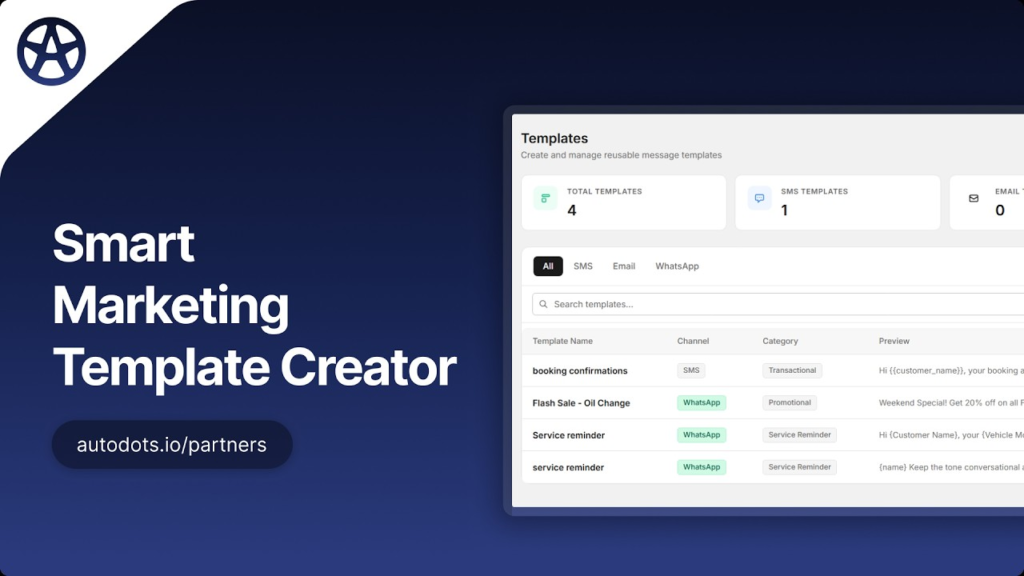
If you find yourself manually typing out similar emails, formatting identical weekly slide decks, or building project spreadsheets from scratch, you are burning time needlessly. Starting every single routine task from a blank page is a massive drain on your daily creative momentum.
Turn your most successful historical work into permanent, reusable templates. Spend time creating fixed response scripts for common client inquiries, saving structured presentation layouts, and anchoring baseline document formats in a shared folder. Having a library of pre-built asset templates allows you to launch new initiatives instantly, guarantees elite consistency across your output, and turns hours of manual construction into a quick game of plug-and-play.
8. Group Similar Activities into Time Blocks
Constantly bouncing back and forth between wildly different types of work is an absolute productivity killer. Answering a client email, jumping immediately into a complex coding problem, and then answering an unexpected phone call forces your brain into a state of permanent attention residue. You waste an immense amount of cognitive power simply trying to recalibrate your mind to a new task.
Adopt a strict strategy known as task batching to keep your mind entirely in the zone. Dedicate one solid, uninterrupted block of time purely to clearing out your inbox, group all of your internal team meetings back-to-back, and isolate a separate afternoon block exclusively for intensive content creation. Grouping similar mental activities together allows you to ride a wave of focused momentum, making your execution incredibly fluid and efficient.
9. Master Real-Time Cloud Collaboration
The outdated practice of editing a local file, saving it, and emailing it across a team creates massive communication barriers. It inevitably leads to conflicting file versions, missed feedback, and endless email chains that slow project momentum to an absolute crawl.
Embrace cloud-based project management platforms that allow multiple team members to co-author assets simultaneously in real-time. Working inside a unified, living digital workspace ensures that every single stakeholder is permanently looking at the exact same version of the truth. This completely eliminates internal confusion, accelerates your group approval loops, and keeps project communication localized exactly where the work is happening.
10. Conduct a Weekly Optimization Review
Productivity is never a static target that you set up once and completely forget about. The specific apps, file structures, and daily habits that served your business goals six months ago might be the exact bottlenecks slowing you down today.
Dedicate time every single month to step back and honestly audit your operational workflow. Ask yourself which recurring tasks are swallowing the vast majority of your time, pinpoint exactly where your projects are getting stuck, and identify any unused software features that could help streamline your day. Making small, intentional, and continuous micro-adjustments to your digital workflow compounds over time, fundamentally transforming how you experience your workday.