There is a common misconception in digital marketing that if a software tool is free, it must be missing the good stuff. In reality, free tools provide the cleanest, most accurate first-party data available because they come straight from the search engines themselves.
- Direct Performance Tracking: Google Search Console (GSC) is an absolute non-negotiable for any website owner. It shows you exact click counts, search impressions, click-through rates (CTR), and real rankings for keywords that actual people typed to find your site. There is zero guessing involved—it is straight data from Google’s front lines.
- Traffic Analytics & User Behavior: Once people land on your site, Google Analytics 4 (GA4) takes over to show you what they actually do. You can easily monitor bounce rates, average session times, scroll depth, and goal conversions to see if your content is hitting the mark or driving readers away.
- Technical Site Audits: Tools like the free version of Screaming Frog SEO Spider act like a digital mechanic for your site. It quickly crawls up to 500 pages to spot broken links, missing title tags, duplicate headers, and slow redirect chains before they hurt your search reputation.
- Spotting Market Trends: Google Trends acts as your real-time lens into public interest. It reveals sudden shifts in consumer curiosity, seasonal search spikes, and regional popularity, making it super easy to time your content releases perfectly.
1. Assess Business Stage and Scale

- Early-Stage Websites & Small Businesses: If a site has under 100 pages and operates in a hyper-local market, free tools offer more than enough coverage. Focus on mastering Google Search Console and fixing on-page technical issues before committing to recurring subscription fees.
- E-Commerce & High-Growth Brands: Sites featuring thousands of dynamic URLs, complex filter taxonomies, or intense national competition require paid enterprise audit tools and backlink trackers to maintain market share.
2. Identify the Core Problem
- Problem: “I don’t know why my pages aren’t ranking.” -> Start with Google Search Console to verify indexing health and manual actions.
- Problem: “I don’t know what content to write next.” -> Upgrade to a paid keyword platform to run competitive gap analysis and evaluate search intent difficulty.
3. Balance Budget Against ROI

For freelancers and small teams, paying $100–$300+ monthly for a software suite only makes sense if the resulting insights generate enough organic revenue to offset that software overhead. A practical approach involves starting with a complete free setup, identifying operational bottlenecks, and subscribing to premium platforms only when manual data collection limits growth.
Key Capabilities of Free SEO Tools
| Feature Area | Best Free Tool | What It Does Best |
| Search Rankings | Google Search Console | Shows real search terms, click counts, and indexing health |
| Traffic Insights | Google Analytics 4 | Tracks visitor habits, sales funnels, and time spent on page |
| Technical Health | Screaming Frog (Free) | Finds broken links and missing meta tags for small sites |
| Topic Trends | Google Trends | Compares real-time search demand and seasonal patterns |
| Page Speed | Google PageSpeed Insights | Pinpoints slow loading elements on desktop and mobile |
Paid SEO Tools: When It Is Time to Upgrade
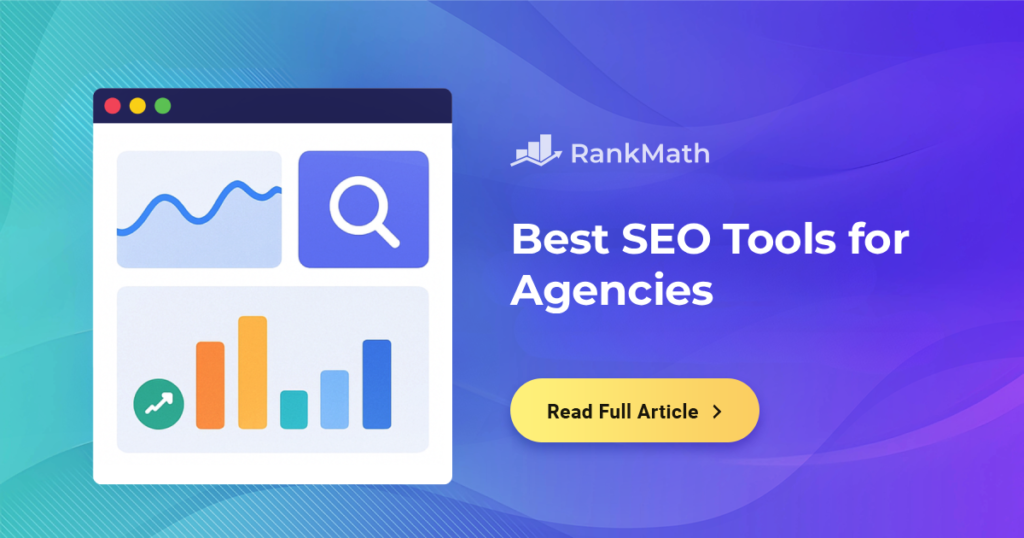
While free platforms tell you everything happening on your own website, they suffer from one major blind spot: they can’t show you what your competitors are doing. That is where paid platforms like Semrush, Ahrefs, and Moz earn their keep.
- Competitor Intelligence: Paid platforms let you peek behind the curtain of your biggest industry rivals. You can instantly see their top-performing pages, keyword gap strategies, estimated monthly traffic, and paid ad campaign setups, saving you months of trial and error.
- Massive Backlink Indexes: Search engines view high-quality external links as votes of confidence. Premium paid platforms maintain massive, constantly updated link databases that help you uncover new link-building opportunities, toxic spam links, and lost backlinks that free tools miss.
- Keyword Research at Scale: Instead of guessing search volume ranges, paid software delivers precise monthly search estimates, keyword difficulty scores, search intent tags, and historical trends, making it much easier to target low-hanging fruit.
- Time-Saving Automation: When you run a growing business, manual reporting takes up hours you don’t have. Paid tools offer automated weekly site audits, rank-tracking alerts, and customizable client reports that deliver straight to your inbox while you sleep.
Free vs Paid SEO Tools: How to Choose in 2026
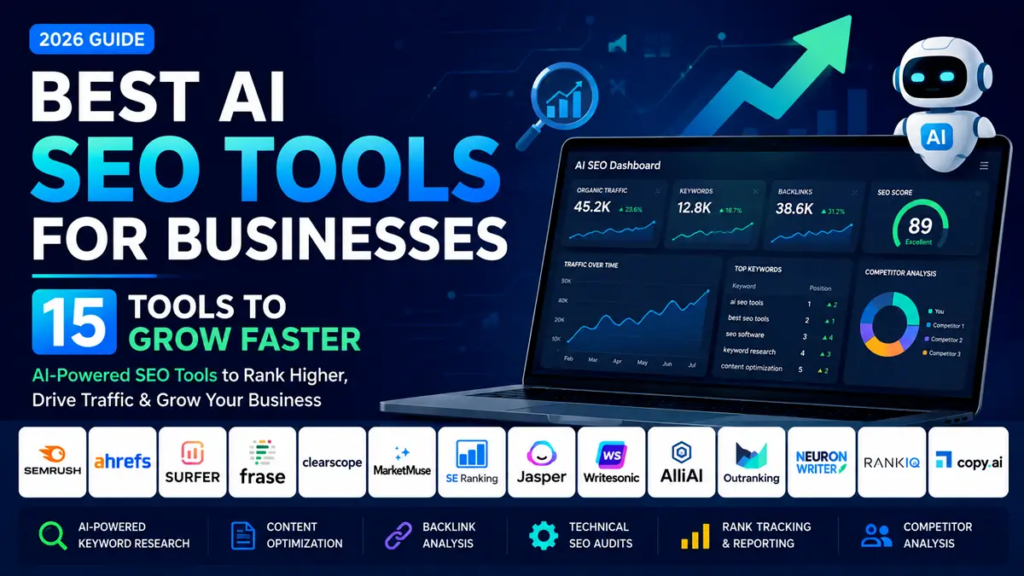
Choosing between free software and a paid subscription isn’t about which option is “better” in a vacuum—it comes down to where your business sits today and what goals you are chasing.
┌─────────────────────────────────────────────────────────┐
│               Where Is Your Business Today?             │
└────────────────────────────┬────────────────────────────┘
                             │
            ┌────────────────┴────────────────┐
            ▼                                 ▼
  [ New Site / Solopreneur ]          [ Growing Brand / Agency ]
  [ Tight Marketing Budget ]          [ Fierce Industry Rivals ]
            │                                 │
            ▼                                 ▼
┌─────────────────────────┐       ┌─────────────────────────┐
│     STICK WITH FREE     │       │     UPGRADE TO PAID     │
│  • Google Search Console│       │  • Ahrefs / Semrush     │
│  • Google Analytics     │       │  • Unlimited Crawlers   │
│  • Screaming Frog Free  │       │  • Automated Reports    │
└─────────────────────────┘       └─────────────────────────┘
Assessing Your Stage, Scale, and Real Budget
If you are just launching a brand-new website or managing a local service business, you do not need a paid SEO tool right away. You are far better off setting up Google Search Console, optimizing your existing pages, and fixing obvious technical bugs on your own. Paying $120+ a month for complex software when your website gets minimal daily traffic is just throwing money away.
However, if you run a growing e-commerce store with thousands of product options, or if you are competing in a crowded industry like real estate or financial advice, upgrading to a paid tool becomes a necessary investment. The time saved on automated competitor audits, keyword gap analysis, and link tracking easily pays for the subscription cost in extra revenue generated.
Finding the Sweet Spot for Your Strategy

At the end of the day, SEO isn’t about owning the most expensive software—it’s about turning simple data into smart actions that help real human readers.
Start by squeezing every bit of value out of free platforms like Search Console and Analytics. Build solid content, fix your broken links, and learn what your audience genuinely cares about. Once manual data collection starts holding back your growth, make the leap to a paid SEO suite to unlock competitor secrets and scale up your traffic with total confidence.