
For years, Seattle has earned its reputation as a heavyweight tech Anduril capital, mostly thanks to cloud computing giants, e-commerce empires, and a relentless stream of software startups. But lately, a different kind of technical push is shaking up the region’s hiring market. Defense technology company Anduril Industries is rapidly expanding its footprint across the Pacific Northwest, quietly building out a massive engineering hub that could fundamentally alter the area’s local tech dynamic.
This isn’t just about grabbing extra office space or slapping a new logo on a Bellevue high-rise. It marks a major shift in how physical defense hardware gets built, powered by artificial intelligence, autonomous software, and real-time data networks. For years, traditional defense contractors worked at a snail’s pace. Anduril is trying to bring modern silicon-valley-style engineering—fast iteration, software-first thinking, and rapid prototyping—directly into the military sector. To do that, they need engineers who know how to solve some of the hardest computing problems on the planet.
And they’re betting big that Seattle is the place to find them.
Inside the Regional Scaling Effort
To appreciate how fast this local expansion is moving, you have to look at where things started. Just about four years ago, Anduril had a tiny local presence of around 30 people tinkering away in the region. Today, that number has ballooned to roughly 560 employees spread across offices in Bellevue and downtown Seattle, with dozens of active job postings continually hitting their careers page.
And they aren’t stopping there. Tom Keane, a senior vice president at Anduril, recently told GeekWire that he sees a clear path toward building a local engineering workforce of 1,000 people in the Seattle area.
                                  ANDURIL'S SEATTLE FOOTPRINT

   30 Employees                   560 Employees                  1,000 Engineers
 (4 Years Ago)                     (Current)                     (Target Goal)
       │                               │                               │
       ▼                               ▼                               ▼
  [ Early Outpost ]  ──────►  [ Bellevue & Seattle ]  ──────►  [ Regional Megahub ]
Scaling to a thousand engineers would place Anduril alongside some of the most prominent technical employers in Washington State. It sends a clear signal that the Puget Sound region is no longer just a place for consumer software and enterprise cloud tools—it’s fast becoming a command center for autonomous hardware and national security tech.
Why Seattle Is the Ultimate Engineering Playground
Why is a Southern California-headquartered defense company sinking such deep roots into the Pacific Northwest? The answer boils down to talent density and geographical luck.
1. A World-Class Talent Pool
Seattle’s tech ecosystem is uniquely positioned. For decades, companies like Microsoft and Amazon trained generations of software engineers, cloud architects, and distributed systems experts. Add to that a rich local history of aerospace engineering, computer vision research, and robotics, and you have a rare talent pool that understands both intangible code and heavy physical hardware.
2. Cross-Disciplinary Needs
Building modern defense platforms isn’t like building a social media app or a shopping cart. When you are engineering an autonomous underwater vehicle, a counter-drone interceptor, or augmented-reality combat gear, you can’t treat hardware and software as separate worlds. You need people who can bridge the gap between AI algorithms and real-world physics. Seattle has those people in spades.
3. Proximity to Military Bases
There’s also a practical, hands-on operational advantage. The Seattle metro area sits just a short drive from major military hubs, including Joint Base Lewis-McChord and Naval Base Kitsap. Having engineers close to actual military operators makes a massive difference. Developers can take software and hardware prototypes into the field, get brutally honest feedback from servicemen and women using the equipment, and push updated code back out to the platform in record time.
What Are These Teams Actually Building?
If you walk into Anduril’s facilities across the lake in Bellevue, you won’t find teams tweaking ad-targeting algorithms or writing e-commerce copy. The engineering work happening in the region spans some of the most complex, interdisciplinary technical challenges in modern engineering:
- Lattice OS: An AI-powered operating system that ingests massive amounts of raw sensor data—from satellites, ground cameras, and airborne drones—stitching it together into a single, real-time 3D map for operators.
- Autonomous Hardware: Software and systems engineering for uncrewed aircraft, maritime vessels, and counter-drone defense platforms.
- Tactical Mixed Reality: Developing custom hardware, advanced optics, and computer vision for military headsets and digital night-vision gear.
- Edge Computing: Building ruggedized hardware and software capable of running heavy AI models in remote environments with zero reliable internet access.
This isn’t simple work. If an app crashes on your phone, it’s an inconvenience. If an autonomous defense platform loses connection or misinterprets data in the field, the consequences are catastrophic. That reality requires a level of engineering rigor that many commercial software developers find both terrifying and deeply engaging.
The Big Shakeup in Seattle’s Tech Market
Anduril’s rapid hiring drive adds an unexpected layer to an already fierce battle for talent across the Pacific Northwest.
For years, senior engineers looking for high-paying, high-impact roles automatically headed toward big tech: Meta, Google, Amazon, or Microsoft. Now, Anduril is pulling up to the table with a wildly different pitch: Come build physical systems that actually fly, drive, and navigate the real world using cutting-edge AI.
   TRADITIONAL CAREER PATH                      THE EMERGING DEFENSE ROUTE

┌──────────────────────────┐               ┌──────────────────────────┐
│   Big Tech & Consumer    │               │  Physical Defense Tech   │
│                          │               │                          │
│  • Enterprise Cloud      │      VS       │  • Autonomous Robotics   │
│  • Ad Systems & E-Com    │               │  • Real-Time Edge AI     │
│  • Mobile Apps & Web     │               │  • Hardware & Optics     │
└──────────────────────────┘               └──────────────────────────┘
This expansion is opening up new career paths for local engineers, but it also forces candidates to weigh distinct personal and ethical questions.
Working in defense tech isn’t like working on a photo-sharing app. It comes with security clearances, strict compliance protocols, and the reality that your code powers military operations. While some engineers are eager to apply their skills to national security, others are hesitant. The presence of a high-profile defense giant has even sparked local protests and debates across the region. Regardless of where individual developers stand, there’s no denying that defense tech has permanently entered the main conversation of Seattle’s job market.
Office Real Estate in a Hybrid World
At a time when many commercial tech companies are quietly shrinking their corporate real estate footprints or navigating awkward return-to-office battles, Anduril is actively swallowing up physical space.
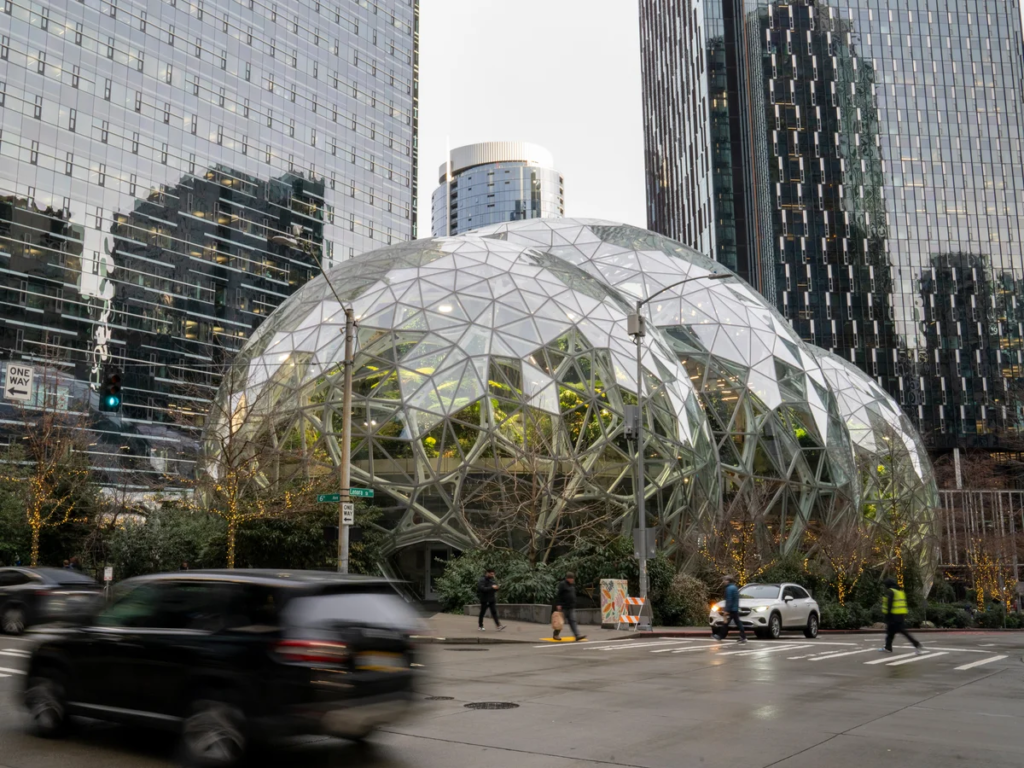
They’ve expanded their offices inside Seattle’s prominent 2+U tower downtown while steadily increasing their operational space across Bellevue.
Why the heavy demand for physical square footage? You can’t build advanced optics, test autonomous drones, or calibrate specialized hardware sensors from a home kitchen table. While pure software engineers might be able to work asynchronously, interdisciplinary teams—mechanical engineers, electrical designers, optics experts, and software developers—need to sit in the same room, huddled around actual physical prototypes.
Having hardware laboratories, testing spaces, and collaborative work areas under one roof allows these teams to move fast. They design a part in the morning, print or build it by lunch, test the code on it in the afternoon, and break it down to try again tomorrow.
A Changing Industry Dynamic
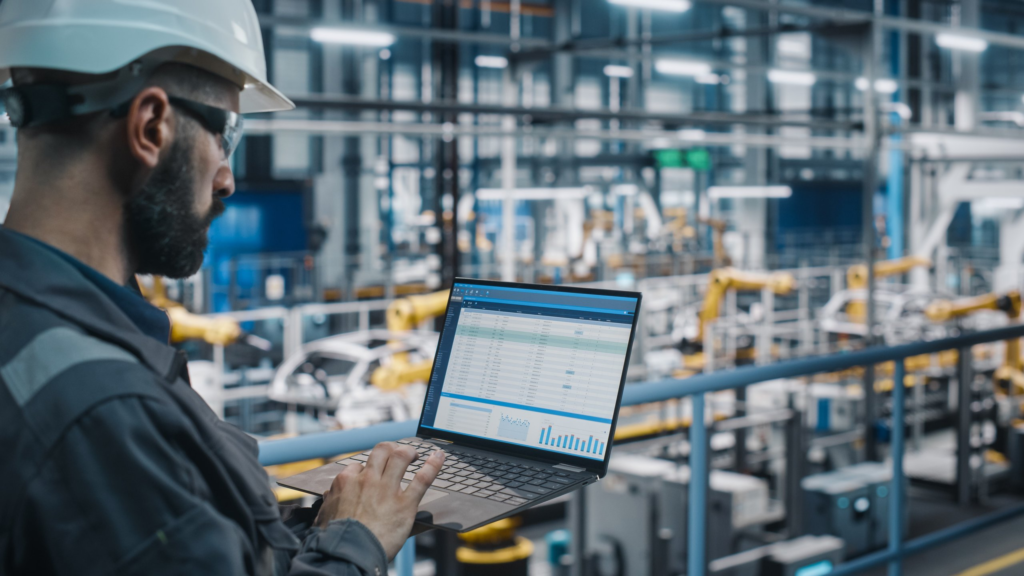
Anduril’s growth in Seattle represents a much larger shift across the entire defense sector.
For decades, military procurement was dominated by legacy defense primes. Projects often took ten to fifteen years to develop, cost billions of dollars over budget, and shipped with software that felt obsolete before it even launched.
Anduril, alongside a wave of modern defense-tech startups, is trying to prove that software should lead hardware development, not follow it. By deploying iterative software updates to reusable hardware platforms, they can adapt to shifting real-world conditions in days rather than years.
Winning major military contracts—like leading work on next-generation command-and-control software architectures—proves that the Department of Defense is willing to embrace this faster, software-centric model. And the engineers executing that model are increasingly doing their work right in the heart of Seattle.
Looking Ahead
If Anduril hits its ambitious goal of scaling to 1,000 engineers in the coming years, Seattle’s identity as a pure “software and cloud city” will take on a whole new dimension.
It shows that the next decade of big tech won’t just live on glowing glass screens or inside remote cloud data centers. It will be built out of physical sensors, autonomous engines, smart hardware, and edge computing models operating in the dirt, air, and sea.
Seattle has the talent, the infrastructure, and the history to lead that shift. Whether you view the rise of defense technology with excitement, curiosity, or concern, one thing is abundantly clear: the intersection of artificial intelligence, physical hardware, and national defense has officially arrived in the Pacific Northwest—and it’s growing faster than almost anyone anticipated.
Tool Deals & Offers 2026: Discover Top Tools at Better Prices
Digital tools have become an important part of everyday work. Tool Deals & Offers Whether…

Free vs. Paid Tools 2026: Which Tools Are Worth It?
From productivity apps and design software to AI platforms, writing Free vs. Paid Tools assistants,…
Best Tool Deals 2026: Software Discounts & Special Offers
Software has become a daily necessity for work, study, business, Tool Deals content creation, design,…

SaaS Deals 2026: Best Software Discounts, Offers & Lifetime Deals
Running a business, managing client projects, or creating SaaS Deals content in 2026 relies heavily…

Best Tool Tips & Hacks in 2026 to Work Smarter
Let’s be honest: most of us spend Best Tool Tips our workdays performing digital acrobatics…
Stop Paying: 15 Free Tools You Should Try in 2026
Before we dive into the deep details, here is the cheat sheet. This is Free…