

The modern landscape of digital productivity has completely changed. Whether you are an academic researcher, a remote contractor, a scaling startup, or a creative director, access to cutting-edge software infrastructure is no longer a luxury—it is an absolute operational requirement. Advanced artificial intelligence platforms, cloud-based data storage, automated project tracking dashboards, and premium graphic creation engines drive our daily professional workflows. Yet, this explosion of digital utility has brought a challenging economic side effect: subscription fatigue.
As individual software providers shift their pricing models toward ongoing Monthly Recurring Revenue (MRR) structures, the hidden cost of maintaining multiple tools can easily drain your personal or corporate finances. Beating this subscription-heavy market does not require you to settle for outdated, low-quality software. Instead, it requires a highly strategic optimization framework. By managing your software purchases using data-driven evaluation methods, exploring open-source code alternatives, and taking advantage of hidden institutional discount windows, you can easily build an elite, high-performance tech stack while keeping your ongoing expenses tightly controlled.
Requirement Architecture: Auditing Your True Operational Needs

The most frequent driver of runaway software expenses is a habit known as feature over-provisioning. This occurs when an individual user or enterprise buys an expensive, top-tier enterprise software plan because of an aggressive marketing campaign, only to use a tiny fraction of the platform’s actual features. Before entering credit card details into any checkout page, you must conduct a rigorous, line-item audit of your actual operational demands.
                  [Initiate Tech Stack Audit]
                              │
         ┌────────────────────┴────────────────────┐
         ▼                                         ▼
[Core Functional Drivers]               [Secondary Feature Bloat]
 • Everyday mission-critical tasks       • Experimental add-ons
 • High-frequency data production        • Niche automated plugins
         │                                         │
         ▼                                         ▼
   Fund Heavily                            Eliminate / Substitute
To run a clean software audit, divide your daily workflows into two distinct categories: core functional drivers and secondary feature bloat. Core functional drivers include the essential, high-frequency actions you must perform to complete your work—such as writing clean code blocks, rendering video timelines, or organizing client data. Secondary feature bloat includes niche automation tools, flashy aesthetic templates, and experimental add-ons that look impressive in product demos but add very little value to your actual daily output.
By deliberately matching your software choices to your core functional drivers, you can easily avoid paying for expensive, unneeded layers of software fluff. This focused approach ensures your software budget is spent exclusively on high-value tools that directly improve your productivity and baseline performance.
Cross-Market Evaluation: Spotting Hidden Structural Alternatives

The global software-as-a-service market is intensely competitive, meaning there is almost always a viable alternative available for even the most dominant industry-standard tools. Before reflexively subscribing to an expensive market-leader simply because of its brand recognition, you should execute a thorough cross-market evaluation.
+-------------------------+-----------------------------------+-----------------------------------+
| Software Category       | Expensive Legacy Baseline         | High-Value Alternative Path       |
+-------------------------+-----------------------------------+-----------------------------------+
| Vector Graphic Design   | Closed-ecosystem premium suites   | Vector-optimized open platforms   |
| Database Optimization   | Expensive institutional servers   | Flexible markdown-based networks  |
| Video Post-Production   | High-cost recurring studio tools  | Advanced, free production engines |
+-------------------------+-----------------------------------+-----------------------------------+
When comparing software options, look beyond the core feature list to analyze cross-platform integration capabilities, data export formats, and customer onboarding paths. Many smaller, agile software developers offer products that match the performance of legacy giants at a fraction of the price.
Reading detailed user reviews on neutral software-tracking forums can also reveal how a platform handles edge-case errors, software crashes, and unexpected downtime. Finding an alternative vendor that respects your budget allows you to enjoy premium digital performance while completely dodging high legacy brand markups.
Freemium Optimization: Mastering Tier Mechanics
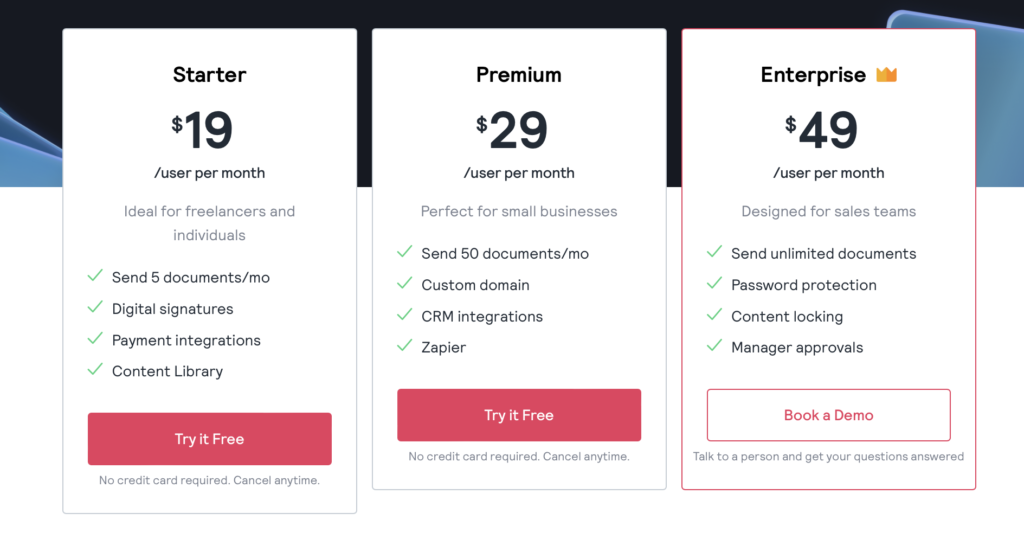
The modern freemium business model is a fantastic resource for budget-conscious digital professionals. Most major software developers offer a zero-cost entry plan designed to attract early-stage creators, students, and small teams. With a smart approach, you can run entire business operations out of these free tiers indefinitely.
Step-by-Step System for Maximizing Free Software Tiers
1.Isolate Usage Thresholds:Phase 1.
Analyze the exact data boundaries, seat limits, and monthly processing caps of a platform’s free tier.
2.Distribute Workloads Across Services:Phase 2.
Split your large project tasks across multiple separate accounts or complementary service networks.
3.Build Local Storage Routines:Phase 3.
Download your core files directly to local hardware to prevent hitting restrictive cloud account limits.
4.Audit Feature Value Metrics:Phase 4.
Upgrade to a paid tier only when a premium feature directly and measurably increases your financial revenue.
Lifetime Deals vs. Predictable Annual Commitments
For tools that pass your feature audits and become core pillars of your daily routine, you must carefully optimize your purchasing strategy to lock in the lowest possible long-term costs.
Investing in a verified lifetime software deal on a reputable developer platform can completely eliminate recurring monthly overhead, allowing the upfront purchase price to pay for itself within a few short months of active use.
If a lifetime deal is unavailable for a mission-critical tool, your next best financial move is to commit to a prepaid annual plan. Software developers strongly prefer predictable cash flows and lower customer churn rates, so they routinely offer deep discounts—often ranging from 20% to 40%—to users who commit to a full year upfront rather than paying month-to-month.
However, make sure to test the platform extensively during its free trial window before locking into an annual contract. This ensures you never end up paying for a long-term service that you might stop using after a few weeks.
Institutional Discount Windows: Exploiting Hidden Qualifications

A massive portion of the global software industry offers deep, unadvertised price cuts specifically tailored for students, educators, non-profit groups, and early-stage startup companies.
[Verify Institutional Status] ➔ [Submit Academic Email / Non-Profit Credentials]
                                          │
                    ┌─────────────────────┴─────────────────────┐
                    ▼                                           ▼
         [Educational Price Cuts]                     [Startup Incubation Perks]
          • Slashed personal licensing                 • Zero-cost software credits
          • Full access to elite tools                 • Free developer infrastructure
If you hold a verified academic email address or run a registered non-profit organization, always look for a dedicated educational or non-profit discount portal on a vendor’s pricing page. These programs frequently slice standard licensing costs in half, giving you full access to top-tier digital tools without the corporate price tag.
Similarly, early-stage startups can apply to tech incubation programs to secure thousands of dollars in free cloud processing credits and infrastructure support. Taking a few minutes to verify your institutional status can unlock massive, long-term software savings.
The Open-Source Movement: True Digital Freedom
The growth of the global open-source software movement has made it entirely possible to achieve professional-grade results without spending a single dollar on commercial licensing fees.
+----------------------+------------------------------------+------------------------------------+
| Software Landscape   | Commercial Subscription Model      | Open-Source Alternative System     |
+----------------------+------------------------------------+------------------------------------+
| Vector Illustration  | High-fee corporate design software | Free, community-driven vector tools|
| Audio Manipulation   | Monthly audio engineering platforms| Open-source multitrack recorders   |
| Web Development      | Closed-source proprietary builders | Free open-source code frameworks   |
+----------------------+------------------------------------+------------------------------------+
Open-source tools are built, polished, and maintained by global communities of independent software engineers who believe in transparent, collaborative digital development. Because these tools use open codebases, they are completely free of artificial corporate paywalls, forced tracking software, and sudden price increases.
Furthermore, because they are backed by global communities of active developers, popular open-source tools enjoy rich ecosystems of free, user-made plugins and extensive documentation. Embracing these community-driven tools gives you total ownership over your creative output while permanently wiping software licensing fees off your balance sheet.
Consolidation Design: Building an All-in-One Tech Stack

As software platforms mature, they often expand their capabilities to handle multiple parts of your workflow at once. You can exploit this trend by consolidating your processes into a single, comprehensive platform.
[Fragmented Stack] ➔ Note App ($8/mo) + Task Manager ($10/mo) + Wiki ($9/mo) = $27/mo
                                          ▼
[Consolidated Stack] ➔ Single Integrated Digital Workspace Environment = $8/mo
Instead of paying for separate note-taking apps, dedicated task managers, and standalone team wikis, look for a single, flexible digital workspace that handles all of these functions under one roof.
Consolidating your tools does more than just cut down your monthly credit card statements. It dramatically simplifies your daily workflows by eliminating the need to constantly copy and paste data between completely different, disconnected app interfaces. This unified approach keeps your information organized in one central place, saving you time and protecting your focus.
Active Subscription Management: Eliminating Waste

Building a cost-effective digital toolkit is not a one-time project; it requires ongoing attention. Left unmonitored, unused software trials and forgotten subscriptions can slowly erode your monthly budget.
[Active Subscription Tracking] ➔ Monthly Review ➔ Identify Low Usage ➔ Immediate Cancellation
Make it a habit to audit your digital expenses every single month. Check your bank statements and software dashboards to flag any applications that have seen low usage over the past thirty days.
If a tool is no longer critical to your work, cancel the subscription immediately. If you end up needing its features again down the road, you can always reactivate your account in a few seconds. Staying proactive keeps your software expenses lean, nimble, and perfectly aligned with your real-world activities.
The Long-Term Return on Smarter Tool Management
Ultimately, building a highly efficient software toolkit is not about hunting for the cheapest, most bare-bones tools on the market. Rather, it is about finding the perfect balance between price, features, and your unique professional goals.
[Smart Software Strategy] ➔ Lean Auditing + Open-Source Alternatives + Smart Consolidation = Tech Freedom
By auditing your feature usage, leaning into open-source alternatives, and consolidating your workflows into multi-functional platforms, you can easily build an elite tech stack that won’t break the bank. Spending smarter on your software infrastructure allows you to boost your daily productivity, protect your hard-earned revenue, and extract maximum value from every digital tool you deploy.