

Every successful product, service, or business has a story behind it. While advertisements and promotional content can highlight features and benefits, user case studies provide something even more valuable—real experiences from real people. They show how individuals or businesses solved problems, achieved their goals, and measured the results using a particular product, service, or strategy.
In today’s digital world, people want proof before making decisions. They look for authentic examples that demonstrate how a solution works in real-life situations. That’s why user case studies have become one of the most trusted forms of content for businesses, marketers, educators, and consumers alike.
This guide explains what user case studies are, why they matter, how they are created, and the value they provide for businesses and readers in 2026.
What Are User Case Studies?
A user case study is a detailed story that explains how a customer, client, or organization used a product, service, or solution to solve a specific challenge. Rather than focusing only on product features, a case study highlights the user’s journey, including the problem they faced, the actions they took, and the results they achieved.
Unlike testimonials, which are usually short quotes or reviews, case studies provide a complete narrative supported by facts, examples, and measurable outcomes. They help readers understand how a solution performs in practical situations and why it may be suitable for similar challenges.
Why User Case Studies Are Important
People often rely on the experiences of others before making purchasing or business decisions. User case studies provide evidence that a product or service has delivered real results, making them a valuable source of information.
For businesses, case studies build credibility, strengthen brand reputation, and demonstrate expertise. They allow potential customers to see how others have successfully solved similar problems, which can increase confidence and support informed decision-making.
For readers, case studies offer practical insights that can inspire new ideas, improve problem-solving, and provide realistic expectations about outcomes.
Key Elements of a Strong Case Study
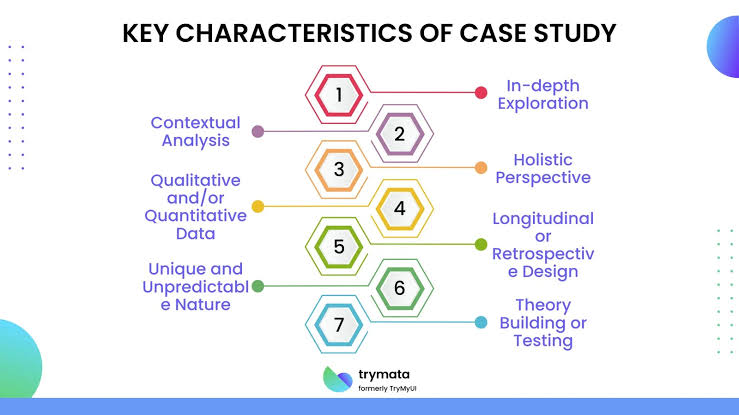
An effective user case study follows a clear structure that makes the story easy to understand and engaging to read.
It usually begins by introducing the user or organization and describing the challenge they faced. Next, it explains the solution that was implemented and the steps taken to address the problem. Finally, it presents the results, highlighting measurable improvements, lessons learned, and future opportunities.
Including real data, customer feedback, and specific outcomes helps make a case study more credible and valuable.
The Problem-Solution-Result Approach
One of the most effective ways to present a case study is through a simple problem-solution-result format.
The first section explains the situation or challenge that needed to be solved. This helps readers relate to the user’s experience and understand the context.
The second section describes the solution, including the product, service, or strategy used. It should explain why that approach was chosen and how it was implemented.
The final section focuses on the results. This may include improved productivity, increased sales, reduced costs, higher customer satisfaction, or other measurable achievements. Presenting clear outcomes makes the success story more convincing and informative.
Industries That Use User Case Studies

Case studies are valuable across many industries because they demonstrate practical applications and measurable success.
Technology companies use case studies to show how software improves business operations. Healthcare organizations share patient success stories to highlight treatment outcomes. Educational institutions publish case studies about student achievements and innovative teaching methods.
Marketing agencies often present campaign results, while financial organizations showcase successful investment strategies or customer experiences. Nearly every industry can benefit from sharing authentic user success stories.
Benefits for Businesses
Publishing user case studies offers several long-term advantages for businesses. They help build trust by providing evidence of successful outcomes rather than relying solely on promotional messaging.
Case studies also support marketing and sales efforts by answering common customer questions and demonstrating real-world value. They can improve website engagement, strengthen search engine optimization (SEO), and provide valuable content for presentations, social media, and email campaigns.
In addition, they help businesses better understand customer needs by documenting challenges, solutions, and feedback from real users.
Benefits for Customers and Readers

For customers, case studies reduce uncertainty when evaluating products or services. Instead of relying only on marketing claims, readers can learn from the experiences of people who have faced similar situations.
Case studies provide practical examples, realistic expectations, and valuable lessons that readers can apply to their own projects or business decisions. They also encourage informed purchasing decisions by showing both the process and the outcomes.
How to Create an Effective User Case Study
Creating a strong case study begins with selecting a meaningful success story. The experience should address a common problem that readers can relate to and demonstrate a clear, positive outcome.
Gather information through interviews, surveys, performance data, and customer feedback. Present the story in a logical order, using simple language and supporting claims with relevant facts or metrics whenever possible.
Maintaining honesty and transparency is essential. Authentic case studies are more persuasive because they focus on genuine experiences rather than exaggerated claims.
Common Mistakes to Avoid

While case studies can be highly effective, certain mistakes can reduce their impact. Focusing too much on the product instead of the user’s journey may make the content feel overly promotional.
Another common mistake is failing to include measurable results or supporting evidence. Readers want to understand what changed and why it mattered. Using vague language without clear outcomes makes the story less convincing.
Keeping the content clear, balanced, and focused on real experiences helps maintain credibility and reader engagement.
The Future of User Case Studies
As digital content continues to evolve, user case studies are becoming more interactive and engaging. Businesses increasingly use videos, infographics, customer interviews, and visual storytelling to present success stories in a more compelling way.
Artificial intelligence and data analytics also make it easier to measure outcomes and personalize case studies for different audiences. Despite these technological advancements, authentic human experiences remain the foundation of every successful case study.
Organizations that continue sharing transparent, data-supported success stories are likely to build stronger customer relationships and maintain long-term trust.