

User case studies are one of the most effective ways to demonstrate how a product, service, or strategy delivers real results. Instead of relying on marketing claims, they showcase real experiences, measurable outcomes, and practical solutions that help potential customers make informed decisions. Whether you’re a business owner, marketer, or entrepreneur, understanding how to create and use case studies can strengthen your credibility and build trust with your audience.
In this guide, you’ll learn what user case studies are, why they matter, how they’re structured, and the best practices for creating compelling success stories.
What Are User Case Studies?

A user case study is a detailed story that explains how a customer or user solved a specific problem by using a product, service, or solution. It focuses on the customer’s journey, highlighting the challenges they faced, the actions they took, and the results they achieved.
Unlike testimonials, which are usually short quotes or reviews, case studies provide a complete narrative supported by facts, examples, and measurable outcomes.
Why User Case Studies Are Important
Case studies help businesses build trust because they demonstrate real-world success rather than making promises.
Some key benefits include:
- Build credibility and trust
- Show real customer experiences
- Highlight measurable results
- Support marketing and sales efforts
- Help potential customers make informed decisions
- Demonstrate problem-solving capabilities
- Increase customer confidence
A well-written case study can often influence purchasing decisions more effectively than traditional advertising.
Key Elements of a Great User Case Study

1. Customer Background
Introduce the customer or organization. Explain their industry, business size, or situation without sharing confidential information unless permission has been given.
2. The Challenge
Describe the problem the customer wanted to solve.
Examples may include:
- Improving productivity
- Reducing operational costs
- Increasing sales
- Managing projects more efficiently
- Enhancing customer satisfaction
Clearly explaining the challenge helps readers relate to the story.
3. The Solution
Explain how the product, service, or strategy addressed the customer’s needs.
Include details such as:
- Features used
- Implementation process
- Timeline
- Team involvement
Keep the explanation simple and focused on practical outcomes.
4. The Results
This is the most important part of the case study.
Share measurable improvements whenever possible, such as:
- Time saved
- Increased efficiency
- Higher customer satisfaction
- Improved revenue
- Reduced costs
- Better team collaboration
Real numbers and data make case studies more convincing.
5. Customer Feedback
Include a genuine customer quote or summary of their experience if available.
Positive feedback adds authenticity and strengthens trust.
Benefits of User Case Studies
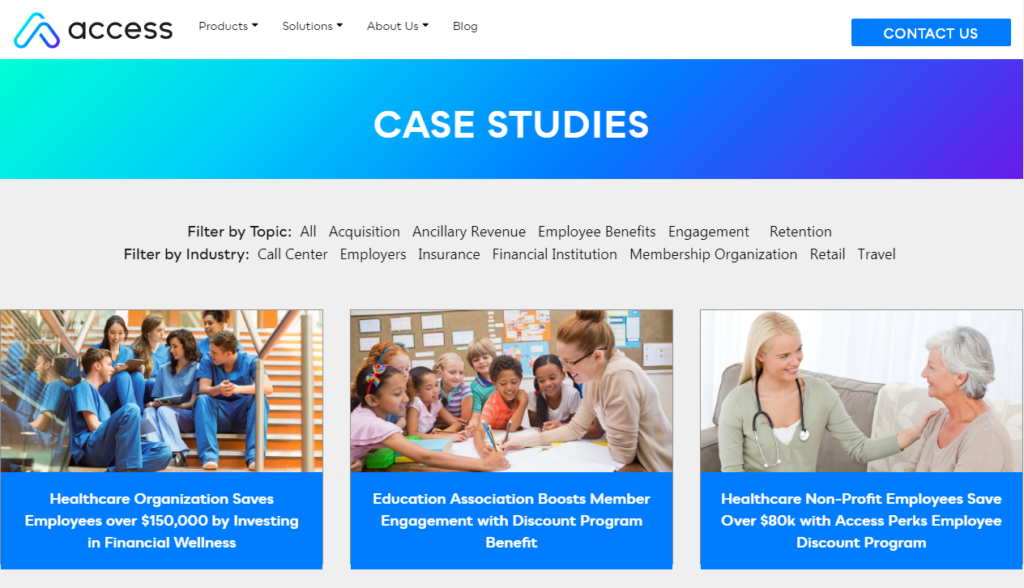
Build Trust
People are more likely to trust real customer experiences than promotional claims.
Support Sales
Sales teams can use case studies to demonstrate how similar customers achieved success.
Improve Marketing
Case studies provide valuable content for websites, blogs, social media, and email campaigns.
Increase Brand Authority
Publishing well-researched case studies positions your business as knowledgeable and reliable.
Educate Customers
Readers gain practical insights into how products or services solve real problems.
Where to Use User Case Studies
Case studies can be shared across multiple marketing channels, including:
- Company websites
- Blog articles
- Landing pages
- Sales presentations
- Email campaigns
- Social media
- Marketing brochures
- Product pages
Repurposing one case study into different formats helps maximize its value.
How to Create an Effective User Case Study

Choose the Right Customer
Select customers who have achieved meaningful results and are willing to share their experiences.
Gather Information
Collect details through interviews, surveys, usage data, and performance reports.
Focus on the Story
Present the customer’s journey in a logical order:
- Challenge
- Solution
- Results
This structure keeps readers engaged.
Use Clear Data
Support claims with measurable outcomes whenever possible.
Keep It Easy to Read
Use headings, short paragraphs, and bullet points to improve readability.
Best Practices
To create stronger user case studies:
- Focus on real experiences.
- Avoid exaggeration.
- Include measurable results.
- Use simple language.
- Keep the customer as the main focus.
- Add visuals such as charts or screenshots when appropriate.
- Update older case studies with new results if available.
Authenticity is one of the biggest strengths of a successful case study.
Common Mistakes to Avoid

Avoid these common issues:
- Making unsupported claims
- Sharing confidential information without permission
- Focusing only on product features
- Ignoring measurable outcomes
- Writing overly technical content
- Making the story too long or difficult to follow
A clear and balanced approach makes case studies more useful and trustworthy.
Future Trends in User Case Studies
As digital marketing evolves, user case studies are becoming more interactive and engaging.
Emerging trends include:
- Video case studies
- Interactive web pages
- AI-assisted data analysis
- Visual storytelling
- Customer-generated content
- Real-time performance dashboards
These formats help businesses present success stories in more engaging ways.
User case studies are powerful tools for demonstrating real success, building credibility, and helping potential customers understand the value of a product or service. By focusing on genuine experiences, measurable results, and clear storytelling, businesses can create content that informs, inspires, and supports better decision-making.
Whether you’re promoting software, consulting services, healthcare solutions, or consumer products, well-crafted case studies can strengthen your marketing strategy and showcase the real impact of your work.